Scrolling through safari lodge prices can feel discouraging. Many well-known lodges charge rates that look more like a luxury hotel in a major city than a bush stay, and it is easy to conclude that a safari is simply out of reach. What most travelers never realize is that the calendar, not the lodge, is often the biggest factor in the price. Shift your dates a few months and the nightly rate can drop by nearly half.
The cheapest season to stay at a safari lodge is the low or green season, when rain transforms the landscape and international visitor numbers fall. Lodges fight for guests with discounts, free nights and flexible stays. In this article, we break down exactly when those cheap months fall, why prices drop so sharply, what the green season is actually like on the ground, and the trade-offs you should weigh before booking. We also share practical booking tactics and show where budget travelers get the most value, so you can decide whether a low-season safari fits your plans.
When Is the Cheapest Season to Stay at a Safari Lodge?
If your goal is a safari lodge stay at the lowest possible price, aim for the low or green season. In East Africa, that typically runs from November to March. In Southern Africa, the low season stretches a little longer, roughly November to April. These windows follow the rains, when the bush turns green and international visitor numbers dip.
The savings are significant. During these months, nightly rates commonly drop 30-50% compared with the June-to-October peak, when dry skies draw the biggest crowds and lodges can charge their highest prices. A lodge that feels impossible in August may suddenly fit a modest budget in February.
Shoulder months: the middle ground
If you want a compromise, look at the shoulder months. May and November sit between the low and peak seasons, offering mid-range prices and generally decent weather. You pay less than peak rates but often enjoy game viewing that is still reliable, since the rains may not have fully arrived or may already be fading.
The exact timing varies by country and even by park, so treat these windows as a starting point rather than a rule. Check with the lodges you are considering about how their rates and conditions change through the year, and compare a peak month against a green-season month for the same room type to see the real difference.
Why Low-Season Rates Drop So Much
Safari lodge pricing follows demand, and demand follows the weather. During the rains, vegetation grows thick and green, which makes wildlife slightly harder to spot. Animals scatter across the landscape instead of clustering at water sources, so game drives take a little more patience. For many travelers, that uncertainty is enough to push them toward the dry months, and demand falls.
Fewer visitors, empty rooms
The biggest factor is simple arithmetic. Most international visitors plan their trips around the June-to-October dry season, leaving lodges with rows of empty rooms from November through the rains. A room that sits empty earns nothing, so lodges would rather fill it at a discount than leave it dark.
Their response benefits budget travelers in several ways:
- Discounted nightly rates, often the steepest cuts of the year
- Free-night offers, where you pay for a set number of nights and get an extra one
- Relaxed minimum-stay rules, so you can book two nights where peak season might require three or four
None of this means the lodge experience gets worse. The same rooms, the same meals and often the same guides are on offer, just at prices the high season never sees. The discounts exist because of timing, not because anything has been downgraded, which is exactly why the green season rewards flexible travelers.
What the Green Season Is Actually Like
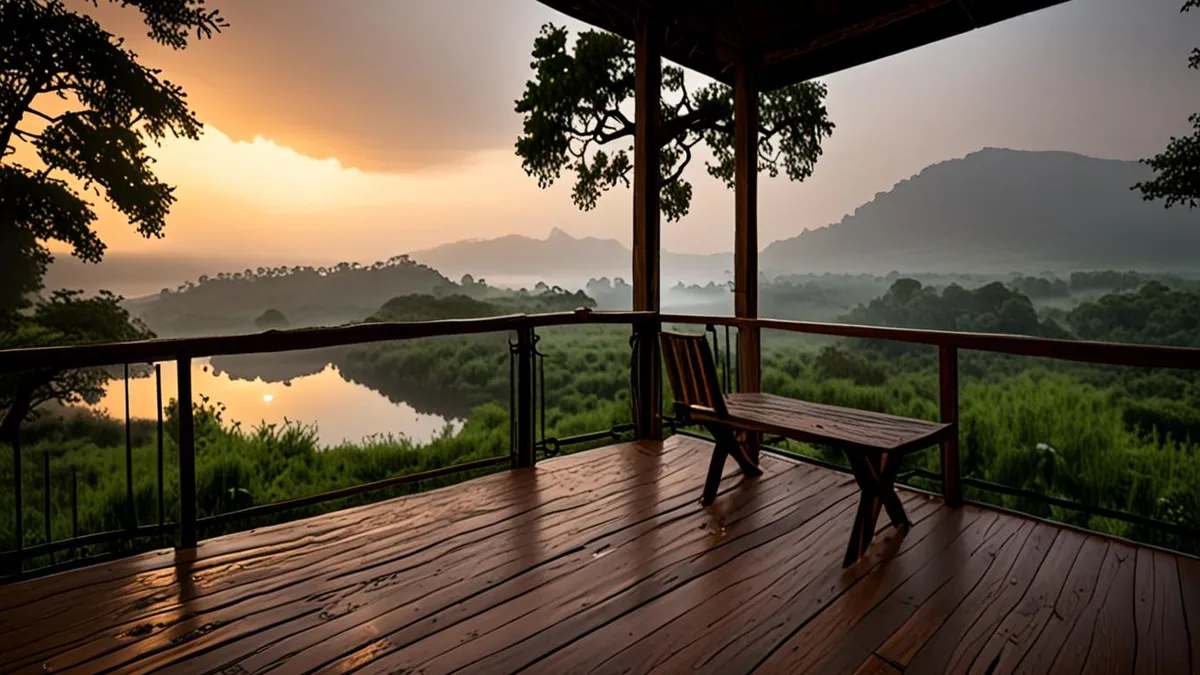
The phrase “green season” scares some travelers off, but the reality on the ground is usually far better than the name suggests. In most safari regions, rain does not fall all day. It typically arrives as short afternoon thunderstorms lasting 1-2 hours, after which the skies clear again. That leaves the mornings, when animals are most active, largely dry and ideal for game drives. A typical day looks like an early morning drive, a long lunch or pool break while the rain passes, and often another outing in the late afternoon once the storm has moved on.
The landscape itself is a reward. Dust gives way to lush greenery, and the light after a storm is a photographer’s dream. Even better, this is the season of new life: many herbivores give birth in the green months, and where there are vulnerable young animals, predators are rarely far away. Sightings of hunts and interactions can be more frequent than many visitors expect.
Birdwatchers have the strongest case of all for traveling now, because migratory species arrive between November and April and join the resident birds.
- Afternoon storms build dramatic skies, giving photographers moody backdrops and rain-washed light that the hazy dry season rarely delivers
- Newborn antelope calves, zebras and wildebeest appear across the plains, drawing lions, leopards and hyenas into frequent action
- Migratory birds from Europe and northern Africa arrive in their breeding plumage, adding species that are absent for the rest of the year
- Fewer vehicles at sightings mean you often share a leopard or lion sighting with just one or two other cars instead of a queue
Trade-Offs to Accept for Lower Prices
Green-season safari rates can look almost too good, and there is a reason for that. You are trading a little convenience and visibility for serious savings. None of these trade-offs ruin a trip, but you should walk in with realistic expectations rather than hoping for crisp, dry June conditions.
The biggest practical issue is access. Rain turns dirt roads into sticky clay, and some bush airstrips become unusable after heavy storms. A handful of remote camps simply shut down for part of the wet months because getting guests and supplies in and out becomes too difficult. Before you book, confirm that your chosen lodge stays open year-round and ask how you will actually get there.
Wildlife viewing also changes. Animals do not disappear, but thick grass and full leaf cover give them places to hide, so your guide may need more patience to find them. Expect to work a bit harder for your sightings, especially the big cats.
- Muddy or flooded tracks can force detours: some park sections or river crossings may be temporarily off-limits, which shortens the area your game drives can cover in a morning.
- Photography conditions shift: overcast skies soften harsh light, which many photographers actually like, but rain showers mean you should pack waterproof covers for cameras and binoculars.
- Boat and walking activities may be curtailed: high water levels or wet trails can occasionally cancel a planned bush walk or river excursion, so keep your itinerary flexible.
- Luggage limits get stricter on light aircraft: soft-sided bags and weight limits matter even more in the wet months, when small planes carry less on shorter runways.
Finally, the wettest months bring higher humidity and more insects, including mosquitoes. A good repellent, long sleeves at dusk and a lodge with reliable nets or screened rooms make this a minor annoyance rather than a dealbreaker. Most travelers who visit in the green season come home saying the rain was far less disruptive than they feared.
How to Book the Cheapest Safari Lodge Stay
Getting a genuinely cheap safari lodge stay is mostly about timing and asking the right questions. Green-season discounts are real, but they rarely fall into your lap automatically. Lodges quietly release their best offers to guests who plan ahead and reach out directly, while travelers who book through a single platform often pay more for the exact same room. A little planning goes a long way, and the steps below are the ones experienced safari travelers rely on to bring costs down without sacrificing the experience.
- Book 6-12 months ahead. Early booking locks in low-season rates before the best rooms fill up, and it gives you the widest choice of lodges and dates. Last-minute green-season deals do exist, but counting on them risks missing the lodge you actually want, especially in popular parks where the handful of budget-friendly properties sell out first.
- Compare shoulder months like May and November. These months sit between low and peak rates, so you pay mid-range prices while still enjoying decent weather and solid game viewing. Running your dates side by side for two or three candidate months shows you exactly what an extra few weeks of waiting saves.
- Ask lodges directly about green-season specials. Offers such as stay-4-pay-3 deals, reduced minimum-stay requirements or free-night promotions are often not advertised loudly on booking sites. A short email to the lodge or its reservations team can uncover savings that third-party platforms never show.
One more tip: when you contact lodges, mention that your dates are flexible. Reservation teams are far more likely to offer a discount or an upgrade if they can move you into a quieter week, since an occupied room at a reduced rate beats an empty one. Keep a shortlist of two or three properties so you can compare answers and play a little leverage off each other politely. And once you have a written quote in hand, don’t be shy about asking them to match a competitor’s offer — in the quiet months, most lodges would rather negotiate than lose your booking altogether.
Where Budget Travelers Get the Most From Low Season
Not every safari destination rewards low-season travelers equally. If your goal is maximum value per dollar, focus on places where the rain causes the least disruption and where you can control some of your own costs. That combination is where green-season trips really shine.
Pick parks that stay accessible year-round
Large national parks with well-maintained, year-round road access give you the most reliable value in the rainy months. Because the main network keeps working, your game drives are rarely cancelled and your transfer plans hold up. Smaller, more remote concessions can be wonderful, but in the wettest months they carry a real risk of muddy delays or even closed camps, which can turn a bargain into a hassle.
Stretch the budget with self-drive or shared drives
A lodge night in low season is already cheaper, but you can push further by pairing it with self-drive or shared game drives instead of private vehicles. Booking a shared drive means you split the guide and vehicle cost with other guests, and in self-drive regions you pay only park entry and fuel. Many budget travelers mix a couple of lodge nights with simpler self-catering or campsites nearby, keeping the splurge nights where they count most.
Also look at regions with shorter, lighter rains. Areas where the wet season is brief and mild deliver the best price-to-experience ratio, because you get the green-season discounts without long stretches of disrupted driving. Check rainfall patterns for your specific park rather than assuming the whole country behaves the same way, and you will usually come out ahead.
The Bottom Line on Safari Lodge Timing
Timing makes all the difference here. Shift your dates to the green season and nightly rates commonly drop 30-50% below the June-to-October peak, so a lodge that seemed wildly out of budget can suddenly fit your plans. That is the single biggest lever you have as a budget traveler.
To get the most out of those savings, book 6-12 months ahead and compare shoulder months like May and November, which often balance price and game viewing nicely. The trade-off is real but manageable: some rain, greener and denser bush, and slightly trickier wildlife spotting. In exchange, you get a lodge stay at nearly half price. If this helped you plan a more affordable safari, leave a comment or share the article with a fellow traveler.