You’ve picked your destination, roughly budgeted the trip, and now you’re stuck on one decision: lodge vs hotel. A remote lodge promises to wrap you in the landscape, while a town hotel near the park gate looks far cheaper on paper. Choosing wrong can mean overspending on meals you didn’t need, or wasting precious hours each day driving back and forth.
This guide breaks the decision down piece by piece. We’ll start with the core difference between the two styles of stay, then compare the true daily cost of each, since sticker prices can be misleading. From there, we’ll look at location and access, atmosphere and amenities, and how far ahead you should book each option. Finally, you’ll find a simple framework for matching your choice to your travel style, including a hybrid approach that mixes both. By the end, you should know exactly which option fits your budget and the kind of nature trip you want.
Lodge vs Hotel: The Core Difference for Nature Travelers
The simplest way to think about it: a lodge is a destination, a hotel is a base camp. Lodges are usually built in or right beside the landscape you came to see, often deep inside or next to a reserve. They operate on an all-inclusive-style model, bundling meals and activities into the stay, and many are designed around the setting itself, with open-air dining rooms and decks facing waterholes or valleys.
Hotels, by contrast, sit in towns and villages near the main attractions. You check in, then come and go as you please. You can self-cater in a room with a kitchenette, eat at different restaurants each night, and arrange your own drives, hikes or boat trips without committing to a fixed program.
Why this choice shapes your whole day
Because the two options work so differently, your daily logistics change completely. At a lodge, transport, meals and guided activities are largely handled for you, which means less planning but less freedom. At a hotel, you handle all three yourself: renting a car or booking shuttles, finding dinner, and deciding each morning what to do. Neither approach is better across the board, but the one you pick will define the rhythm of your entire trip.
Cost Breakdown: Sticker Price vs True Daily Spend
The nightly rate tells only part of the story. Nature lodges typically cost $120–$350 per night for two, but most include two or three meals daily, so your food costs are largely covered the moment you check in. Mid-range hotels near park gates typically run $60–$150 per night, yet that rate excludes meals, and hotels rarely include breakfast.
Activities are the other half of the equation. Guided activities booked through lodges commonly add $30–$100 per person per day, which is the price of convenience and expert guides. Town-based travelers can often arrange similar experiences independently for less, especially by joining shared group tours or hiring local guides directly.
Put it together and the gap narrows. A cheap-looking hotel plus three restaurant meals a day can approach the true cost of a lodge stay, though you’ll still usually come out ahead in town.
- Self-catering saves more than you’d think. Many town hotels and guesthouses have kitchenettes or shared kitchens, so cooking breakfast and one main meal can slash your food budget well below the restaurant average.
- Lodge rates often include extras beyond meals. Some properties bundle airport or park-gate transfers, guided walks, and evening activities into the rate, so ask exactly what’s included before comparing prices.
- Park and conservation fees are almost never included. Whether you stay in a lodge or a hotel, entry and conservation fees are charged separately and change regularly, so check the current rate with the park authority before you budget.
As a rule of thumb, staying in town can cut accommodation costs 30–50% versus an in-park lodge. If you’re willing to handle your own logistics, that saving can fund extra nights or an additional guided excursion.
Location and Access: How Far Is Too Far From the Wild?
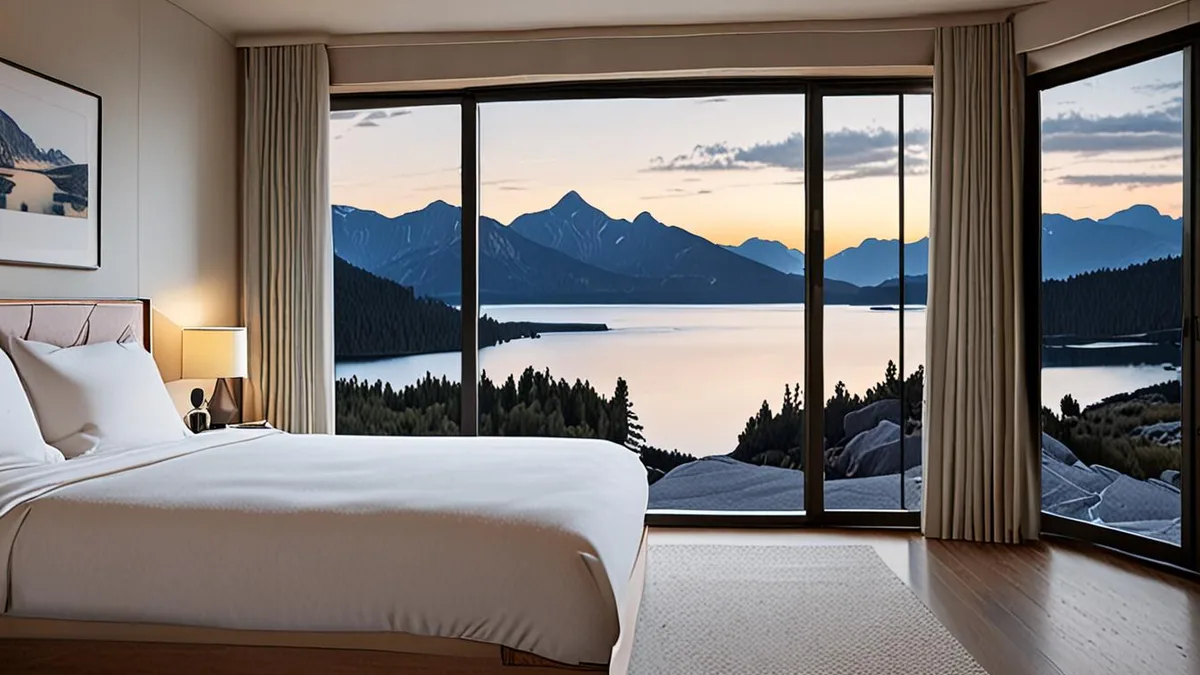
Location is where the lodge vs hotel trade-off becomes physical. In-park lodges put you minutes from the action: you can be on a dawn game drive or walking trail while town-based visitors are still drinking their coffee an hour away. That early access matters, because wildlife activity peaks at first light and fades quickly once the day warms up.
The flip side is distance from everything else. Lodges inside or beside reserves often sit 1–3 hours’ drive from the nearest town, which means shops, pharmacies and medical services are a serious journey, not a quick errand.
What town hotels give up and gain
Town hotels reverse the equation. You’ll typically add 1–2 hours of transit per day driving or taking shuttles to reach trails, viewpoints and park gates, and you’ll need to set alarms early to catch the best wildlife hours. In exchange, you gain spontaneity: you can change plans on a rainy morning, try a different restaurant, or restock supplies whenever you like.
Remote lodges allow no such runs. Once you’re there, you’re there, so plan all essentials before arrival: medications, sunscreen, batteries, snacks and any special dietary items. Pack for the whole stay, confirm transfer arrangements with the lodge in advance, and check how the property handles medical emergencies. If someone in your group has ongoing health needs, that distance deserves real weight in your decision.
Atmosphere and Amenities: Immersion vs Flexibility
Walk into a nature lodge at dusk and you’ll likely find other guests gathered around a fire pit, comparing notes on the day’s sightings. Lodges are built for that kind of atmosphere: shared dinners at set times, guided walks led by staff who know the area intimately, and nights so dark the stars feel like a feature of the room. The trade-off is structure. Wi-Fi is often limited or confined to the main building, meals happen when the kitchen says so, and the whole property tends to run on a shared rhythm rather than your personal one.
Hotels flip that equation. You eat when you’re hungry, choose from several restaurants in town, stream a movie if the wildlife viewing wore you out, and generally set your own pace. Connectivity is usually dependable enough to work remotely or plan tomorrow’s route on the fly. What you give up is atmosphere: a hotel near a park gate often feels like a functional stop, with parking lots and road noise instead of firelight and quiet.
Who fits where
Solo travelers and couples tend to thrive at lodges. The intimate scale makes conversation easy, communal meals turn strangers into dinner companions, and there’s no pressure to organize anything yourself. If your trip is about slowing down and soaking in the surroundings, that closeness is the point.
Families with mixed interests often do better with a hotel base. One parent can take the kids on a short trail while another handles a work call or a nap, and picky eaters aren’t stuck with a single set dinner menu. If your group splits up during the day or wants variety beyond guided activities, the freedom of a town hotel usually wins. A practical middle path: check whether your lodge offers flexible meal seating or family rooms before committing, since policies vary widely between properties.
When to Book: Lead Times for Lodges and Hotels
Booking windows differ sharply between lodges and hotels, and getting this wrong is one of the most common planning mistakes on a nature trip. Small lodges often have only a handful of rooms, sometimes fewer than a dozen, so the best-value units sell out long before large town hotels do. If you have your heart set on a specific lodge for a specific week, treat booking as a priority, not an afterthought. This matters even more if you’re traveling as a family or group, since lodges rarely have enough space to fit a late-booking party into multiple rooms.
For high season, which generally means June through August and the December holidays, plan to reserve lodges 3–6 months ahead. Hotels, by contrast, can usually be booked 2–4 weeks ahead even in peak months, which gives you far more flexibility if your dates are still uncertain. That difference shapes how you should plan: sort out your lodge nights first, then build the rest of your itinerary around them.
- Watch for cancellation windows: lodges frequently require deposits or have strict cancellation terms, so confirm the policy before committing months in advance.
- Shoulder seasons stretch your budget: in March–May and September–October, lodge rates can drop 20–30% and availability improves noticeably, so you may get a prime unit without the early scramble.
- Book around lodge availability, not the other way: if your chosen lodge is full for your dates, shifting your trip by a few days often beats compromising on location or quality.
- Lock in hotels last: because town hotels rarely sell out far ahead, you can finalize them once your lodge nights and transport are confirmed.
How to Choose: Matching Your Lodge or Hotel to Your Trip Style
The right choice comes down to what you actually want from your days in nature. If immersion is the goal, choose a lodge. You wake up inside the landscape, guided activities are arranged for you, and meals are handled without any thought. This suits travelers who would rather pay for convenience and atmosphere than hunt for restaurants, compare tour operators or drive long distances on unfamiliar roads.
When a hotel makes more sense
Choose a hotel if you’re budget-conscious, want dining variety, or plan to visit several destinations by rental car. A town base lets you self-cater some meals, eat out on others, and change plans on a whim. Multi-destination trips especially favor hotels, since you can move between areas without losing deposits on fixed lodge packages.
The hybrid strategy
You don’t have to pick just one. Many travelers split a 7–10 day trip between 2–3 lodge nights and the rest in town hotels. The lodge nights deliver the immersive highlights, such as dawn wildlife viewing and star-filled evenings, while the hotel nights keep costs down and preserve flexibility for independent exploring. It’s a good way to test whether a full lodge stay suits you before committing an entire trip to one.
Wrapping Up Your Lodge vs Hotel Decision
So which wins for a nature getaway? A lodge costs more upfront, but that rate bundles your meals and puts you right in the landscape, with guided activities on your doorstep. A hotel costs less and buys you flexibility: cheaper daily spend, dining choice in town, and the freedom to change plans on a whim.
Remember the booking windows differ sharply, too. Lodges need to be reserved months ahead for high season, while hotels can often be booked just weeks before arrival. In the end, the better choice comes down to one question: does your trip prioritize deep nature immersion or independent exploration? Answer that honestly, and the decision makes itself. If this helped you sort out your own plans, leave a comment or share this article with a fellow traveler.