Glamping gets sold as affordable luxury, but try pricing a weekend and you’ll quickly see the problem. A basic yurt might cost less than a motel room, while a safari tent two hours away can run higher than a city hotel. So how much does glamping cost, really? The honest answer is that it depends on the type of accommodation, the season, and a handful of fees that don’t show up in the headline nightly rate.
This guide breaks down typical prices by budget, mid-range, and luxury tiers, then looks at how each accommodation type, from bell tents to treehouses, fits into those ranges. We’ll also cover peak versus shoulder season pricing, the extra costs that catch travelers off guard, practical ways to save, and whether glamping actually beats a hotel on value. By the end, you’ll know what a fair rate looks like for the trip you have in mind.
How Much Does Glamping Cost on Average?
Most glamping stays fall into three broad price tiers, and knowing where a listing sits helps you judge whether it’s a fair deal. At the budget end, simple tents and basic yurts typically run $75–$150 per night. These are often canvas structures with real beds and shared or nearby bathroom facilities, and they’re the closest glamping gets to campground pricing.
The middle of the market is where most travelers end up. Safari tents and cabin-style domes generally cost $150–$300 per night, and for that you usually get private bathrooms, proper heating or cooling, and a deck or outdoor seating area. It’s a meaningful step up in comfort without reaching hotel-resort prices.
The luxury tier
At the top, luxury treehouses and lodge tents start around $300 per night and can exceed $600. These properties compete with boutique hotels: expect full kitchens, spa-style bathrooms, and secluded settings. Before booking at any tier, check what’s included, because amenities explain most of the price gap between a $100 yurt and a $500 treehouse.
Glamping Prices by Accommodation Type
The biggest driver of glamping pricing is the type of structure you’re sleeping in. A canvas bell tent and a glass-fronted treehouse can sit on similar land with similar views, yet cost several times apart. Understanding what each category typically includes makes it much easier to compare listings and spot ones that are overpriced for what they offer.
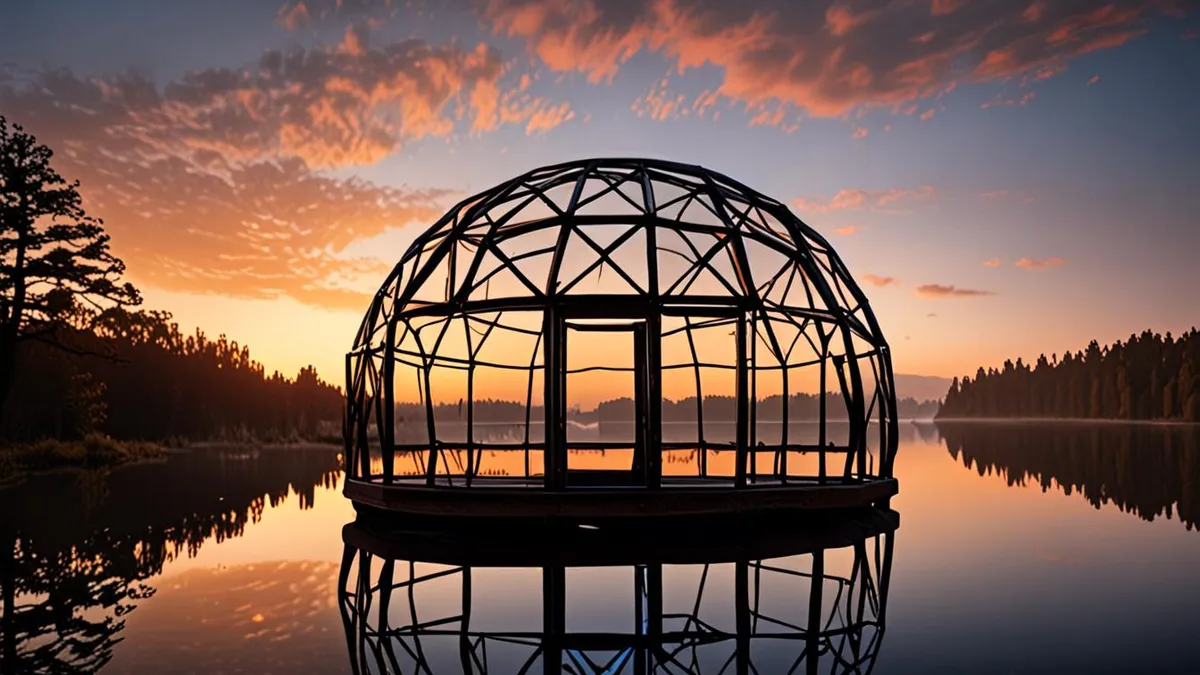
As a rule of thumb, yurts and bell tents sit at the budget end of the market. Safari tents and geodesic domes dominate the mid-range, while treehouses, A-frames, and luxury lodge tents command the top prices, usually because they come with full bathrooms and kitchens. The jump between tiers reflects real differences in construction and comfort: solid floors, insulation, plumbing, and heating all cost money to build and maintain, and operators price accordingly.
- Yurts and bell tents: these often rely on shared bathhouses or a short walk to facilities, so confirm what’s on-site before booking if a private bathroom matters to you.
- Safari tents and domes: many include wood stoves or air conditioning, which is why they stay comfortable in more seasons than basic canvas.
- Treehouses, A-frames, and lodge tents: the higher tiers frequently add kitchenettes or full kitchens, letting you cook and skip restaurant costs during your stay.
When comparing two listings in the same price band, look closely at the amenities list rather than the photos. A dome with a private bathroom can be better value than a tent with shared facilities even if the tent costs a little less. Read recent guest reviews too, since they often reveal whether the heating actually works on cold nights or whether the “kitchen” is just a hot plate. Checking these details before you book helps you match the structure to your comfort level and avoid paying a premium for features you won’t use.
Seasonal Price Differences: Peak vs Shoulder Season
Timing has as much impact on your glamping bill as the accommodation itself. During peak season, which for most destinations runs June through August, rates typically run 30–50% above off-season prices. Summer weekends at popular sites book out months in advance, and hosts know they can charge a premium for them.
Why shoulder season wins
May and September–October are the sweet spots. You get similar weather in many regions, campgrounds and glamping sites are quieter, and rates drop noticeably from summer highs. If your schedule is flexible, shifting a trip by a few weeks can save you a meaningful chunk of the total cost without sacrificing the experience.
Winter is a different story. In cold climates, many glamping operations close entirely, so availability shrinks sharply. Where insulated domes and heated structures stay open year-round, the limited supply can actually push rates up, especially around holidays and ski-season weekends. If you’re eyeing a winter stay in a snowy region, book earlier than you would for a summer trip, and confirm exactly what heating the unit has. A wood stove sounds romantic until you’re feeding it at 2 a.m., so ask whether there’s also central or electric heat before you commit.
Hidden and Extra Costs to Budget For
The nightly rate on a glamping listing is rarely the full price you’ll pay. Once you add up the extras, a weekend that looked like a bargain can easily creep toward double the headline rate. Knowing which fees to expect helps you compare listings fairly and avoid surprises at checkout.
Cleaning fees are the most common add-on, typically running $25–$100 per stay on top of the nightly rate. On a one-night booking, that fee can add a noticeable percentage to your total, which is why shorter stays often feel worse value than longer ones. Some hosts waive cleaning fees for weeklong bookings, so it pays to read the fee breakdown before you book. Pet fees work the same way and usually fall in that same per-stay range, though some hosts charge per night instead.
Beyond cleaning and pets, watch for these extras that show up on many listings:
- Firewood bundles: if the site advertises a fire pit, wood is usually sold on site for roughly $25 or more per bundle, so bringing your own (where permitted) can save money.
- Activity add-ons: kayaks, guided hikes, stargazing setups and similar extras are often priced separately and can each add $25 or more to your bill.
- Parking and access: remote sites may require a high-clearance vehicle to reach, or charge for parking if you have to leave your car at a designated lot and walk in.
- Minimum stays: some hosts require two-night minimums on weekends, which doubles the impact of a one-time cleaning fee.
Before you confirm a booking, scroll through the full price breakdown rather than the headline rate. Adding up the cleaning fee, any pet fee and one or two extras gives you a realistic total, and comparing two or three listings on that basis usually reveals which one is genuinely the better deal. It takes two minutes and can save you a genuinely unpleasant surprise at checkout.
How to Save Money on Your Glamping Trip
Glamping prices move with demand just like hotel rates do, and timing your booking right can shave a meaningful amount off your total. The good news is that the strategy is simple: book early for high-demand dates, stay flexible for everything else. Hosts on popular platforms adjust their calendars constantly, so the same safari tent or dome can swing noticeably in price depending on when you look and when you plan to arrive. Here’s how to approach it.
- Book 3–6 months ahead for summer weekends. Popular sites near lakes, national parks and coastlines fill their June–August Friday and Saturday nights fast, and hosts have no reason to discount when demand is strong. Early booking locks in the rate before peak-season pricing climbs further.
- Book 2–4 weeks ahead for shoulder season deals. In quieter periods, hosts with empty midweek calendars often drop prices close to the date. If your schedule is flexible, checking listings a few weeks out can surface discounts that early bookers never see.
- Choose Sunday–Thursday nights. Weeknight rates are often 15–30% cheaper than Friday and Saturday nights at the same site. Even shifting a two-night stay from Saturday–Sunday to Sunday–Monday can trim the bill noticeably.
- Travel in May or September–October. These shoulder season windows offer the best value of the year, with pleasant weather at many destinations and rates well below peak levels.
One last tip: sign up for notifications on your favorite booking platforms or follow individual sites directly, since hosts occasionally post last-minute openings at reduced rates. It also pays to compare the same style of accommodation across a few platforms before committing, because identical yurts and tents are often listed in more than one place at different prices. If you find a site you love, message the host and ask directly about midweek or extended-stay discounts — many will say yes, especially outside the busiest weeks. Combining weeknight stays with shoulder season dates is where the biggest savings stack up, and it often means sharing the site with fewer neighbors too. Check the current calendar and rates before you book, since availability changes fast in the most scenic spots.
Is Glamping Worth the Price Compared to Hotels?
Whether glamping makes sense financially depends on what you’re comparing it to and where. In cities and tourist hubs, hotels are plentiful and competitive, so glamping rarely wins on price alone. In scenic rural areas, the math looks very different, because lodging options are limited and nightly rates reflect that scarcity.
A mid-range glamping stay often matches what you’d pay for a mid-tier hotel in the same region, but the experience is completely different. You get privacy, your own outdoor space and immediate access to trails, lakes or genuinely dark night skies instead of a parking lot and a hallway. For many travelers, that trade is exactly what they’re paying for, and it can feel like better value even when the nightly rate is similar.
Where budget glamping clearly wins
Budget options like basic canvas tents and simple yurts frequently undercut most hotels in scenic rural areas, where rooms are scarce and priced accordingly. If you’re comfortable with a shared or simple bathroom setup, this is typically the cheapest way to wake up somewhere beautiful. Bring your own bedding layers or check what’s provided, since thinner bedding is one of the most common trade-offs at this end of the market.
When the higher end justifies itself
Value ultimately comes down to amenities. A treehouse or lodge tent with a full bathroom and a proper kitchen can justify a premium rate, because you’re getting hotel-level comfort in a natural setting. On the flip side, a high rate for a structure with only a composting toilet and no cooking facilities is harder to defend. Check the amenity list carefully and match it against the price before booking. If the essentials you care about are included, glamping can feel like a bargain even at the top of its range.
Final Thoughts on Glamping Costs
So, how much does glamping actually cost? A fair nightly rate sits anywhere from around $75 for a basic tent or simple yurt to $600 or more for a high-end treehouse or luxury lodge tent complete with a bathroom and kitchen. That is a wide spread, and it explains why the same word can describe two completely different stays. The two biggest price drivers are the type of accommodation you pick and the season you travel in.
The good news is that glamping does not have to feel overpriced. Shoulder season trips in May or September–October and weeknight bookings offer the strongest value, often bringing a mid-range safari tent or dome down to a price that feels genuinely fair for what you get. If a rate matches the typical range for that style of stay, you are paying a reasonable price. Have you found a great deal on a glamping trip, or paid more than you expected? Share your experience in the comments or pass this article along to a friend planning a trip.