Safari lodges look wildly expensive online, but most travelers overpay simply because they book at the wrong time, in the wrong season or through the wrong channel. The same lodge can cost hundreds of dollars less per night depending on when you go and how you reserve your spot. If you want to book a safari lodge on a budget, the savings come from strategy, not from skipping the experience altogether.
This guide walks you through the decisions that actually move the price: choosing the right season, timing your booking window, picking lodge types that cost less, comparing rates across channels, weighing packages against room-only rates, and trimming the extra costs that sneak in around your stay. By the end, you will have a clear plan for getting more safari for your money.
Choose the Right Season Before You Book a Safari Lodge on a Budget
The single biggest lever on your safari lodge bill is the season you travel in. High season in East and Southern Africa runs roughly June to October, when lodge rates peak because wildlife viewing is at its best. That is also when everyone else wants to go, so you pay a premium for crowds as well as animals.
The green season, roughly November to March excluding holiday weeks, tells a different story. Rates often drop 30-50% compared to high season, landscapes turn lush, and many animals still gather around permanent water sources. Birdwatching is also at its best during these months, since migratory species arrive.
Shoulder months: the sweet spot
If you want a balance between price and game viewing, aim for shoulder months like May and November. These can cut rates 20-40% while wildlife viewing stays decent, since animals are easier to spot than in the wettest periods. You also share the park with far fewer vehicles.
One caveat: check rainfall patterns for your specific region before committing. Some parks become hard to reach in the wettest months, with muddy roads that turn a cheap rate into an expensive headache. Avoid peak June-October rates unless a specific migration or river-crossing window justifies the premium, and book that window far in advance if you do.
Time Your Booking Window
Once you know your dates, when you book matters almost as much as where you stay. Safari lodges price their rooms based on how full they expect to be, so the exact same tent can carry several different rates across the year. A room that commands a premium in high season can drop dramatically a few months later, sometimes by a third or more.
The trick is matching your booking window to the season you are traveling in. Book too late for peak dates and you will be left with whatever expensive rooms remain. Book too early for low season and you may miss out on discounts that lodges release closer to the time. Follow this sequence to lock in the best price for your travel window.
- Book 6-12 months ahead for high-season dates. When demand is highest, the best-value rooms and tents sell out first, so early booking secures both availability and the standard rate before any surge pricing kicks in.
- Book 2-3 months out for low-season travel. Waiting often unlocks last-minute discounts, because lodges would rather fill a room cheaply than leave it empty during quieter months.
- Watch for stay 3, pay 2 or stay 4, pay 3 promotions. Lodges release these deals mainly for low season, and they effectively give you a free night for every few you pay for.
- Set price alerts or email lodges directly. Small properties sometimes offer unpublished rates that never appear on booking platforms, and a short email asking about current offers can reveal them.
It also pays to be flexible on your exact dates within a season. Shifting a stay by a few days can sometimes line you up with a promotion or a cheaper rate tier at the same property. If a lodge quotes you a price that feels high, ask politely whether any current specials apply to your dates. The answer is often yes, especially outside the busiest weeks.
A few minutes of planning here can save you more than almost any other single step. Match your booking window to your season, ask about unadvertised deals, and you avoid paying peak prices for a room that would have cost far less with different timing.
Pick Lodge Types That Cost Less
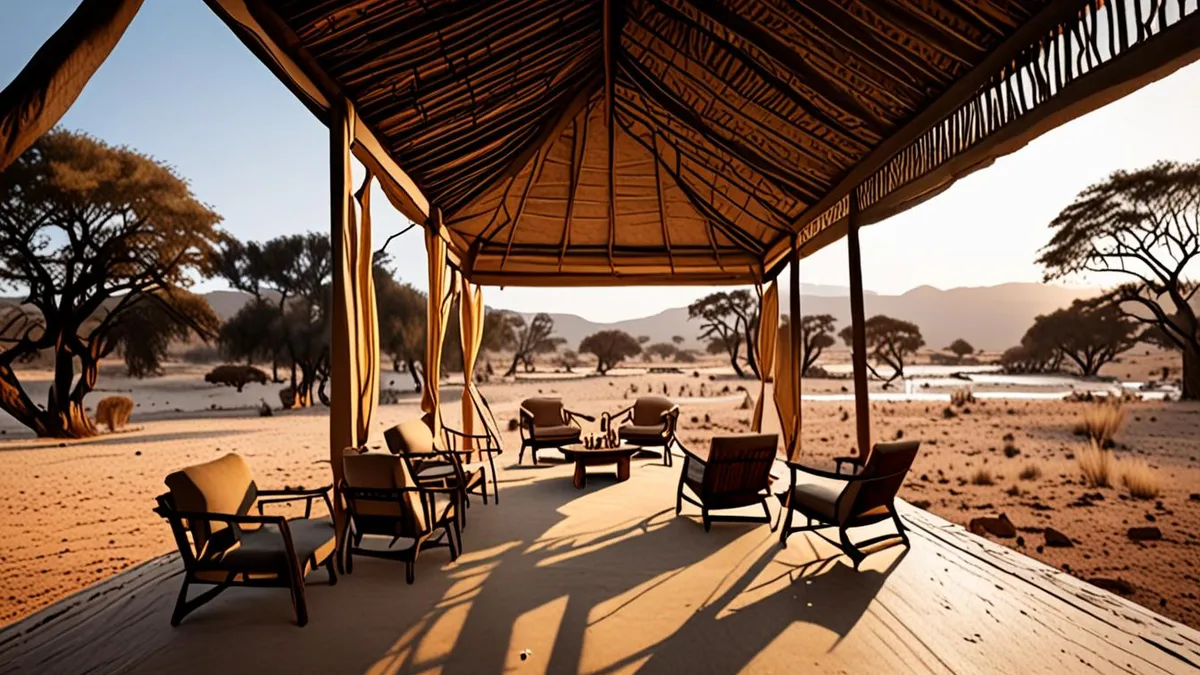
The type of lodge you choose shapes your nightly rate more than almost anything else on a safari budget. Budget safari lodges typically range from $100-250 per person per night, while luxury camps start at $600 and climb from there. That gap means a four-night stay can differ by thousands of dollars before you even factor in flights. Knowing which category you’re shopping in helps you compare like with like instead of falling for a “deal” that was never in your price range.
Location matters too. Lodges outside park gates can cost noticeably less than inside-the-park properties, and you still reach the wildlife each morning with an early start. Community-run and conservancy camps are another strong option, often undercutting private lodges at similar quality while your money supports local conservation. The trade-off is usually a longer drive to the main wildlife areas, so check distances before you book.
- Self-catering and tented budget camps: these give you a bed or canvas tent and shared facilities, letting you spend on game drives rather than chandeliers and plunge pools.
- Lodges outside park gates: you trade a short morning drive for a lower rate, and many sit close enough to gates to be inside the park at dawn.
- Community-run and conservancy camps: quality often matches private lodges, but profits go to local communities instead of international chains.
- Shared-game-drive lodges: properties that bundle private vehicles and guides charge a premium, so choosing shared drives keeps the per-person cost down.
Decide which comforts you genuinely need, then pay only for those. A clean tent, good food and a knowledgeable guide matter more on safari than thread counts. Ask each property exactly what its rate covers, because two lodges at similar prices can deliver very different experiences once meals, drives and transfers are counted. A simple tented camp with an excellent guide will beat a fancier lodge with a rushed schedule every time.
Compare Rates Across Booking Channels
Never assume the first price you see is the best one. The same lodge can appear at noticeably different rates depending on where you look, so take twenty minutes to check the big booking platforms, the lodge’s own website, and a direct email before you commit. Emailing works especially well for small, family-run properties that don’t keep their best rates on public sites.
Direct booking often comes with perks that platforms can’t offer. Ask plainly what you get for booking straight with the lodge: some will throw in a room upgrade when they have space, waive the single supplement, or include an extra activity. The worst answer is a no, and it costs you nothing to ask.
Watch out for these two traps
First, check whether the rate is per person or per room. This is one of the most common sources of sticker shock in safari booking, because a per-person rate for a couple can quietly double what you expected to pay. Second, read the cancellation terms before you celebrate a bargain. The cheapest rates on any channel are frequently non-refundable, so weigh the saving against the risk of losing the full amount if your plans change.
Do the Math on Packages vs Room-Only Rates
Once you’ve found a lodge you like, compare the package options rather than just the headline room rate. Full-board packages that include game drives and meals often work out 15-30% cheaper overall than booking a room and paying for drives separately. At remote properties, that gap can be even bigger, because there may be no outside operators nearby to price against. A rate that looks expensive at first glance can actually be the cheapest way to stay.
Be especially careful with room-only rates at lodges far from town. Some remote properties make certain activities or airport transfers effectively mandatory, and those costs only appear once you’re already committed. Ask directly what a guest staying on a room-only basis would realistically spend in a day, and get the answer in writing before you pay a deposit. It also helps to ask whether drives are shared or private, since that difference alone can change the daily cost significantly.
What to compare before you book
- Park access logistics: some lodges handle park entry arrangements and vehicle permits for guests, while others leave you to sort it out yourself, which can add time and cost. Remember that park and conservation fees change regularly, so check the current rates with the park authority or your lodge.
- Meals and drinks: a package that includes all drinks can be worth far more than it looks, since soft drinks, water and a couple of beers each evening add up fast at remote bars.
- Number of daily drives: some packages include two game drives a day, others only one, so check whether a second drive costs extra and how long each one lasts.
- Self-drive options: if you arrive in your own rental vehicle, look for lodges that charge only for accommodation and let you book drives or skip them entirely.
Trim Extra Costs Around Your Stay
A few smart choices around your stay can shave more off the final bill than any single booking trick. If you’re traveling with friends or family, look for lodges that price game drives per vehicle rather than per person. Splitting one vehicle and guide among four or five people brings the per-person cost down sharply compared to a couple filling the same seats.
You don’t have to choose between luxury and budget for your whole trip, either. A popular approach is to stay two nights at a pricier lodge you’ve been dreaming about, then move to a budget camp nearby for the rest. You still get the splurge experience, but the average nightly cost across your stay drops considerably.
Two small habits that save real money
Traveling solo? Ask about single-supplement waivers before booking. Many lodges discount solo travelers in low season to fill rooms, and some will drop the supplement entirely if you ask — but rarely unless you bring it up.
Finally, carry cash in the local currency for tips and small purchases. Remote lodges often charge card fees or have unreliable card machines, and tipping your guide and camp staff in cash is both easier and appreciated. Check the current tipping norms for your destination before you go, and withdraw money in a larger town rather than relying on a lodge ATM.
Your Budget Safari Lodge Plan at a Glance
The sticker price on a safari lodge is rarely the price you actually have to pay. Most travelers overpay not because lodges are out of reach, but because they book at the wrong time, in the wrong season or through the wrong channel. Fix those three things and the same trip can cost a fraction of what the first quote suggested.
Start with the calendar, since season choice makes the biggest difference to your rate. Then work on timing: reserve well ahead for peak-demand dates, or wait and watch for discounts if you are traveling when lodges are quiet. Both approaches can shave serious money off the same room.
Before committing, compare lodge types, booking channels and package inclusions side by side, because a cheap room rate can hide costly extras like mandatory activities or transfers. Factor in the small stuff too, such as sharing vehicle costs with a group or asking about single-supplement waivers, so the final bill actually matches your budget.
If this helped you plan a cheaper safari, leave a comment or share this article with a travel buddy who needs it.