The Maldives has a reputation as a $1,000-a-night destination, and those photos of overwater villas don’t help. But if you suspect there’s a cheaper way to sleep on those white-sand islands, you’re right. Learning how to stay in the maldives on a budget comes down to two things: where you sleep and when you go.
This guide walks you through why prices vary so much between resort islands and local islands, which islands offer the best value, and how the seasons change what you’ll pay. We’ll also cover booking tactics, getting between islands without overspending on transfers, and how to choose between a guesthouse, a boutique hotel or the occasional resort splurge.
Why the Maldives Is Cheaper Than You Think
For years, the Maldives seemed locked behind resort gates. Tourists could only stay on private resort islands, where even a basic room carried a luxury price tag. That changed in 2009, when the government allowed guesthouses to open on inhabited local islands. Suddenly, travelers could sleep on Maldivian sand for a fraction of resort prices, eating at local cafes and booking excursions with island operators instead of resort dive centers.
The price gap in real numbers
Today, a guesthouse room on a local island typically costs $50-120 per night, often including breakfast. A luxury overwater villa on a private resort island starts at $800 and climbs steeply from there. That’s not a small difference, it’s the difference between a week-long trip and a single night.
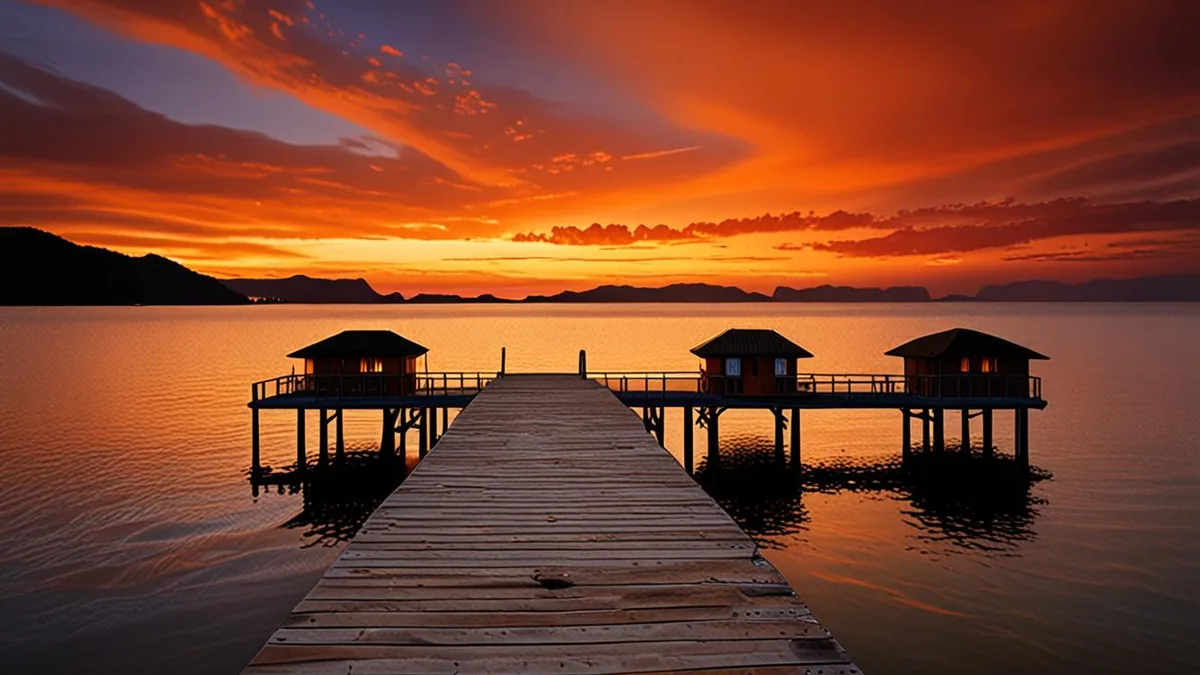
Here’s the part that surprises first-time visitors: the water doesn’t change. The lagoons, the house reefs, the sunsets over the Indian Ocean, they’re the same whether you’re standing on a resort jetty or a local island beach. What you pay for is the accommodation type, not the geography. A guesthouse on Maafushi sits beside the same turquoise water as a villa on a resort island an hour away.
Best Local Islands for a Budget Stay in the Maldives
Not all local islands are equal, and the one you pick shapes your whole trip. Some have dozens of guesthouses and easy transfers; others are quiet fishing islands where you’ll trade facilities for peace and incredible marine life. The islands below are the ones budget travelers consistently rate highest.
Maafushi is the most developed budget island in the country. It has the widest choice of guesthouses at every price point, plenty of cafes and dive shops, and a simple $20-30 speedboat ride from Male. If it’s your first Maldives trip and you want everything organized, start here.
Dhigurah in Alif Dhaal atoll and Fulidhoo in Vaavu atoll are quieter alternatives. Dhigurah is known for whale shark sightings along its long channel, while Fulidhoo draws divers hoping for mantas. Both have fewer guesthouses and fewer facilities than Maafushi, which is exactly why many people prefer them.
Thoddoo is an agricultural island near Male, famous for fruit farms and papaya plantations. Its beaches are lovely and its guesthouse scene is growing fast, making it a good pick if you want something less touristy but still easy to reach.
Trade-offs to weigh before you book
- Alcohol bans: local islands don’t sell alcohol, so there’s no sunset cocktail at the guesthouse bar, only fresh coconut or juice.
- Bikini beaches: swimming in swimwear is allowed only on designated bikini beaches, and the rest of the island requires modest dress.
- Dress codes: covering shoulders and knees applies everywhere outside the bikini beach, including when walking between your room and breakfast.
- Prayer times and local rhythm: some shops and cafes pause around prayer times, so plan meals and errands around the island’s daily routine.
When Seasons Make the Maldives Affordable
Timing changes your Maldives bill as much as your choice of island. The country has two broad seasons, and the price difference between them is dramatic.
The dry high season: December to April
December to April is the dry season, with blue skies, calm seas and the highest prices of the year. The December-January peak is especially expensive, and guesthouses that cost $60 a night in June can easily double or triple. If you want the most reliable weather, this is when to go, but expect to pay for it and book far ahead.
The wet season: May to November
May to November brings the wetter low season, and with it, serious discounts. The key word is “wetter,” not “washed out”: rain typically arrives in passing showers rather than falling all day, and long sunny stretches are common between them. You also get fewer crowds, easier last-minute availability and a calmer pace on the islands.
The sweet spot for many budget travelers is the shoulder months of May, June and November. These often cost 30-50% less than the December-January peak while still offering plenty of usable beach weather. If your dates are flexible, shifting your trip by a few weeks into the shoulder season is the single easiest way to cut costs without changing your plans.
How to Book Ahead and Lock In Low Rates
Timing matters more in the Maldives than in most destinations, and it works in your favor if you plan ahead. For the best guesthouse and resort rates, aim to book around 3-6 months before your trip. This is especially important if you are traveling during the high season from December to April, when the most affordable rooms on popular islands like Maafushi and Dhigurah get snapped up early.
Once you have a shortlist of guesthouses, compare prices in two places: booking platforms and the property’s own website or email contact. Small family-run properties often offer a discount when you book directly with them, and many will go further for long stays of a week or more. A short, polite email asking about a direct rate or a long-stay deal frequently saves you more than any promo code.
Watch the fine print on transfers
Here is the trap that catches most first-time visitors: the transfer is often quoted separately from the room rate. A guesthouse that looks like a bargain online may require a speedboat or ferry that adds a meaningful amount to your total, and two similarly priced properties can end up costing very different amounts once transfers are included. Before you commit, ask each property exactly how much the round-trip transfer costs and whether it is mandatory through them. Add that number to the room rate, then compare. That combined figure is your real price, and it is the one that should guide your booking decision.
Getting There and Between Islands on a Budget
Getting to your chosen island does not have to blow the budget, but the options vary widely in cost and convenience. Public ferries are the cheapest way to travel between islands, often costing just a few dollars. The catch is that they run limited schedules, usually only once a day on a given route, and they typically do not operate on Fridays. If your ferry leaves in the morning and you land at midday, you may need to overnight near the airport, so build that possibility into your plan and ask your guesthouse which ferry works best.
When speedboats are worth it
Speedboats are the fast, flexible option, especially for islands close to the capital. Routes between Male and nearby local islands such as Maafushi run far more frequently than ferries, with several departures on most days. That flexibility matters more than you might think: it can mean the difference between starting your beach afternoon right away or spending half a day in a waiting area near the airport. For a short trip of a week or less, most travelers find the extra cost easy to justify.
Whichever option you lean toward, factor transfer price and frequency into your island choice before you book a room. Maafushi and other islands near Male are cheap and easy to reach, while more remote atolls can cost considerably more to get to, sometimes erasing the savings you found on accommodation. A good rule of thumb: check the transfer cost and schedule first, then decide whether that far-flung island is really the better deal. Timetables change, so confirm current schedules with your guesthouse or transfer operator before you commit.
Choosing Your Stay Type: Guesthouse, Boutique Hotel or Resort Deal
Once you have picked an island and a season, the last decision is what kind of place to sleep in. The good news is that the Maldives now offers a real range, from simple guesthouse rooms to genuine resort splurges, and you can mix them within a single trip. Many budget travelers spend most nights on a local island and add one or two resort nights at the end for the classic overwater experience without the classic overwater bill.
Guesthouses on local islands are the backbone of an affordable trip, and most include breakfast in the room rate. They suit travelers who want to experience local island life, eat at small cafes, and book day trips for snorkeling, sandbank picnics and diving as they go. Boutique hotels on the same islands cost a bit more but add extras like pools, more privacy and more polished rooms, all while staying far below what you would pay on a private resort island.
Three ways to stay, at a glance
- Guesthouses: the local-island workhorse, often family-run, which means home-cooked breakfasts and staff who will happily help you arrange excursions directly rather than through a tour desk.
- Boutique hotels: a step up in comfort with features you will not find in most guesthouses, such as a small pool, which matters on islands where swimming is limited to the designated bikini beach.
- Resort deals: low-season sales and flash offers can bring mid-range resorts down to around $250-400 a night, which is when a one-night splurge on a private island starts to look realistic.
If a resort night is on your wishlist, set a price alert on a booking platform and watch for wet-season promotions. Flexibility on dates is what turns an $800+ overwater villa from a fantasy into something you can actually justify, so keep your splurge night loose and grab the deal when it appears. One night is often enough to get the private-island feeling, the sunset and the lagoon, without committing your whole budget to it.
Your Budget Maldives Plan at a Glance
The Maldives doesn’t have to cost $1,000 a night. Sleep on a local island like Maafushi, Dhigurah or Thoddoo, and a guesthouse room with breakfast typically runs $50-120. You get the same lagoons and white sand as the resort islands, just without the private-island price tag.
Timing and planning do the rest. Traveling in the May-November low season or the shoulder months can cut 30-50% off peak rates, and booking 3-6 months ahead locks in the best rooms. Just remember to budget for speedboat transfers, usually around $20-30 each way, so the total stays affordable. If this plan helps you, leave a comment or share the article with a fellow traveler.